

Quick Summary
- SSC conducts 8 major national-level exams every year for Group B and C central government posts.
- Exams are grouped by qualification: 10th pass (MTS, GD Constable), 12th pass (CHSL, Stenographer), or graduation (CGL, CPO, JE).
- Selection involves CBT tiers plus skill tests or physical exams, depending on the post.
- Salaries start at roughly ₹18,000–22,000 in-hand for entry-level and go up to ₹35,000–75,000+ with HRA and allowances.
- Age limits generally 18–27/32 years with category relaxations — verify current details on ssc.gov.in.
You’ve cleared 10th or 12th, or just graduated, and you’re eyeing a stable central government job through SSC. Notifications keep appearing, vacancies look promising, yet the real question hits hard: which SSC exam actually matches your qualification and long-term goals? With high competition and multiple overlapping options, many candidates waste months preparing for the wrong level or overlooking lesser-known routes like Selection Posts. This complete list cuts through the confusion with clear eligibility, real posts, salary ranges, and selection realities so you pick the right path without second-guessing.
On this page
What Does SSC Stand For?
SSC stands for Staff Selection Commission. It is the premier central recruiting agency under the Department of Personnel and Training that conducts competitive examinations for Group B and Group C non-gazetted posts across various ministries, departments, and offices of the Government of India. For Indian students and freshers, SSC exams represent one of the most accessible and reliable routes into permanent government jobs with job security, allowances, and structured career progression — without needing UPSC-level preparation in most cases. Understanding the full list helps you align your education level with the right opportunity.
According to the Staff Selection Commission official examination calendar for the current cycle, notifications and exams follow a predictable annual schedule with minor variations year to year.
For 10th pass candidates: Start here if you want an early government entry without waiting for higher studies. For 12th pass candidates: These exams offer clerical and skill-based roles with faster onboarding. For graduates: Higher pay and prestigious posts await, but competition intensifies.
SSC Exams After 10th Pass
Two primary exams dominate at the matriculation level, plus the flexible Selection Post route.
SSC MTS (Multi-Tasking Staff) & Havaldar recruits for non-technical Group C support roles such as peon, safaiwala, chowkidar, and Havaldar positions in CBIC and CBN. Eligibility requires a 10th pass; the age limit is typically 18–25/27 years. The exam is relatively straightforward with CBT followed by a physical test for Havaldar. In-hand salary sits roughly ₹18,000–22,000 depending on city category (higher in X-category metros due to HRA). [Verify: confirm exact pay level and allowances in the current official recruitment notification.]
SSC GD Constable fills constable positions in CAPFs (BSF, CRPF, CISF, ITBP, SSB), NIA, SSF, and Assam Rifles. It needs a 10th pass and includes a physical efficiency test (PET) and physical standard test (PST) alongside the computer-based exam. The age limit is generally 18–23/25 years. In-hand pay starts around ₹21,000–40,000 with uniform and other benefits. Many candidates undervalue the physical demands here — reality check: failing PET/PST eliminates you even after clearing the written stage.
SSC Selection Post (Matric level) opens department-specific clerical and technical roles announced in phases. It suits candidates seeking variety beyond standard MTS/GD posts.
Reality check: Many 10th pass aspirants chase only MTS or GD and ignore Selection Posts, missing out on niche opportunities with potentially better work-life balance.
The ground reality in India is that 10th pass SSC routes face massive competition from rural and semi-urban candidates, so consistent practice on basic quant, reasoning, and GK separates the selected few.
SSC Exams After 12th Pass
At the higher secondary level, options shift toward office-based and skill-oriented roles.
SSC CHSL (Combined Higher Secondary Level) remains the most popular entry for 12th pass candidates. It recruits Lower Division Clerk (LDC), Junior Secretariat Assistant (JSA), Postal Assistant/Sorting Assistant (PA/SA), and Data Entry Operator (DEO). Eligibility: 12th pass; age 18–27 years. Selection includes Tier-1 CBT, Tier-2, and skill/typing test. Basic pay ranges from ₹19,900 (Level 2) upward to ₹25,500+ for DEO roles; in-hand roughly ₹25,000–40,000 after HRA variance (X/Y/Z cities). The higher end applies to metro postings; smaller cities sit closer to the lower figure. [Verify: confirm in the current official recruitment notification.]
SSC Stenographer Grade C & D targets candidates with shorthand skills for ministerial roles. 12th pass is minimum; skill test (100/80 wpm) is decisive. Grade C (Group B) offers better pay and Delhi-centric postings, while Grade D is Group C nationwide.
SSC Selection Post (Higher Secondary level) again provides post-specific openings across departments.
CHSL vs Stenographer: CHSL suits those wanting broad clerical roles without shorthand; Stenographer rewards typing speed with faster promotions in secretariat setups.
One observation that recurs across aspirant communities is that CHSL typing tests prove trickier than expected for candidates who have only practised theory.
SSC Exams After Graduation
Graduates access higher pay scales, better designations, and faster growth.
SSC CGL (Combined Graduate Level) is the flagship exam recruiting Assistant Section Officers, Inspectors (Income Tax, Central Excise, Preventive Officer), Auditors, Accountants, and more across ministries. Graduation is mandatory; age 18–32 years (varies by post). Two-tier CBT plus skill tests decide merit. Pay levels range from 4 to 8 (basic ₹25,500–47,600); in-hand can reach ₹35,000–75,000+ with DA and HRA. [Verify: confirm in the current official recruitment notification.]
SSC CPO (Sub-Inspector in Delhi Police & CAPFs) offers uniformed officer roles. Graduation required; physical test mandatory. Age 20–25 years.
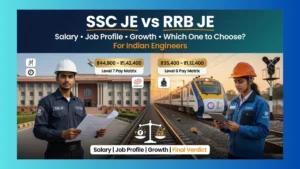
SSC JE (Junior Engineer) recruits Civil, Mechanical, and Electrical engineers (diploma or degree). Age up to 30–32 years.
SSC Junior Hindi Translator (JHT) is specialised for Hindi-English translation roles.
SSC Selection Post (Graduate level) fills varied technical and administrative vacancies.
A theme that surfaces repeatedly in practitioner communities is that CGL Tier-2 performance ultimately decides final merit more than Tier-1 for most posts.
Comparison of Major SSC Exams
Here is a clear side-by-side view of the core options:
| Exam | Qualification | Age Limit (General) | Key Posts | Approx. In-Hand Salary (₹) | Main Selection Stages |
|---|---|---|---|---|---|
| SSC MTS | 10th | 18–25/27 | Peon, Havaldar, Support Staff | 18,000–22,000 | CBT + PET (Havaldar) |
| SSC GD Constable | 10th | 18–23/25 | Constable in CAPFs | 21,000–40,000 | CBT + PET/PST + Medical |
| SSC CHSL | 12th | 18–27 | LDC, DEO, PA/SA | 25,000–40,000 | Tier-1 + Tier-2 + Skill Test |
| SSC Stenographer | 12th | 18–30 | Steno Grade C & D | 25,000–45,000 | CBT + Skill Test |
| SSC CGL | Graduation | 18–32 | Inspector, ASO, Auditor | 35,000–75,000+ | Tier-1 + Tier-2 + Skill Test |
| SSC CPO | Graduation | 20–25 | Sub-Inspector | 35,000–65,000 | Paper-1 + PET + Paper-2 + Medical |
| SSC JE | Diploma/Grad | 18–32 | Junior Engineer | 35,000–60,000 | Paper-1 + Paper-2 + DV |
Salary ranges vary significantly by city, HRA category (X for metros, Y/Z for others) and years of service. The higher end applies to X-category cities such as metros; Y and Z-category postings sit closer to the lower figure. [Verify: confirm in the current official recruitment notification.]
How the SSC Selection Process Works in Practice
Most SSC exams follow a multi-stage computer-based test format with negative marking. Tier-1 or Paper-1 screens candidates on General Intelligence, Reasoning, Quantitative Aptitude, English, and General Awareness. Final merit often hinges on the descriptive or advanced Tier-2 stage. Physical or skill tests act as qualifying gates for specific posts. Normalisation applies across shifts to ensure fairness.
The honest answer from candidates who have cleared multiple cycles is that consistent daily practice on previous year papers and mock tests builds the exam temperament far more than last-minute cramming.
Indian ground reality: State-wise cut-offs and normalisation mean candidates from high-participation states like UP or Bihar often need 8–12 marks above the published overall cut-off to secure a state merit list spot — a detail rarely highlighted in official notifications but visible every result season in aspirant forums.
Tip: Download the latest syllabus and previous papers directly from ssc.gov.in before starting preparation.
Choosing the Right SSC Exam: Key Factors Most Candidates Miss
Beyond qualification, consider your preference for desk jobs versus uniformed roles, willingness to clear physical tests, and long-term growth. MTS or GD offer quicker entry but limited promotions compared to CGL. Selection Post exams are frequently overlooked, yet provide excellent department-specific opportunities with lower competition in some phases.
One thing experienced candidates consistently flag is that aligning the exam with your actual interest prevents burnout during the multi-month preparation cycle.
Frequently Asked Questions
Which SSC exam is best after 10th pass in India?
SSC MTS or GD Constable are the most direct options for 10th pass candidates. MTS suits those seeking non-technical support roles, while GD offers uniformed service with physical fitness requirements. Choose based on whether you prefer office or field duties.
Is SSC CHSL good for 12th pass freshers?
Yes — SSC CHSL remains one of the best entry points after 12th with clerical and data entry roles across ministries. It offers a decent salary, job security, and promotion avenues without requiring a degree.
What is the salary difference between MTS and CGL posts?
MTS starts at roughly ₹18,000–22,000 in-hand, while CGL posts begin around ₹35,000 and can exceed ₹75,000 with experience and allowances. The gap widens significantly over time due to different pay levels. [Verify: current pay matrix on official notification.]
Do all SSC exams have the same selection process?
No. While CBT is common, exams like GD, CPO, and JE include mandatory physical tests, and CHSL/Stenographer include skill/typing tests. Always check the specific notification.
Which SSC exam has the highest competition?
SSC CGL generally sees the highest number of applicants due to prestigious posts and higher salaries, followed by CHSL. Selection Posts and JHT often have relatively lower competition.
Can I appear for multiple SSC exams in the same year?
Yes — as long as you meet individual eligibility criteria and exam dates do not clash. Many candidates target CHSL alongside CGL preparation.
Is SSC Selection Post worth preparing for?
Absolutely. It offers diverse posts at 10th/12th/graduate levels with phase-wise notifications and sometimes lower competition than flagship exams.
What should freshers focus on first — exam pattern or previous papers?
Previous year papers and mocks first. They reveal the actual difficulty and topic weightage better than theory alone.
Final Thought
The confusion around which SSC exam to target after 10th, 12th, or graduation is completely normal — the options look similar on paper but lead to very different career trajectories. Now that you have the complete list with eligibility, posts, salary realities, and selection nuances, the next step is simple: match your qualification and preference to the right exam, download the latest calendar from ssc.gov.in, and start targeted preparation. Whether you aim for a steady MTS role, a clerical CHSL position, or a high-growth CGL post, the SSC route rewards consistency and smart planning more than anything else. Pick your path today and move forward with clarity.

I love thi job